Safety equipment plays a vital role in protecting workers, minimizing risks, and ensuring compliance with occupational health and safety standards. From construction sites and manufacturing plants to laboratories and industrial estates, safety gear is indispensable. Without proper protective tools, businesses face increased risks of accidents, legal consequences, and reduced productivity.
This article explores the importance of safety equipment, its types, and best practices for implementation in various industries.
Why Safety Equipment Matters
Safety equipment is more than just compliance—it’s about creating a culture of protection. Companies that prioritize workplace safety enjoy:
Reduced workplace accidents
Higher productivity due to healthier employees
Improved company reputation
Legal compliance with occupational safety standards
Cost savings by avoiding medical expenses and downtime
By investing in the right tools, industries not only protect employees but also enhance long-term operational efficiency.
Types of Safety Equipment
Safety equipment can be classified into several categories, depending on the nature of the workplace.
1. Personal Protective Equipment (PPE)
PPE is designed to safeguard workers from direct exposure to hazards. Examples include:
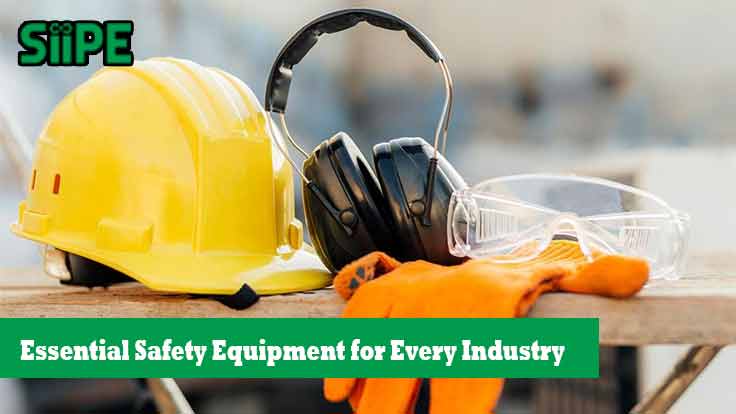
Helmets and hard hats
Safety goggles and face shields
Protective gloves
Safety boots
High-visibility vests
2. Respiratory Protection
In environments with dust, fumes, or chemicals, respiratory safety is crucial. Equipment includes:
Disposable masks (N95, FFP2)
Full-face respirators
Powered air-purifying respirators
3. Fall Protection Systems
Industries such as construction and warehousing require fall protection, including:
Safety harnesses
Lanyards and lifelines
Guardrails and anchor points
4. Fire Safety Equipment
Fire hazards are common in industrial environments. Essential tools include:
Fire extinguishers
Smoke detectors
Fire alarms
Sprinkler systems
5. First Aid and Emergency Kits
Quick medical response can save lives. Industrial estates must ensure:
First aid boxes
Eye wash stations
Automated external defibrillators (AEDs)
Safety Equipment in Industrial Estates
Modern industrial estates, such as integrated eco-industrial parks, require comprehensive safety systems to accommodate diverse tenants. Key considerations include:
Centralized safety regulations for all businesses
Shared emergency response units (firefighters, medical staff)
Standardized PPE guidelines across industries
Regular safety training for employees
Best Practices for Implementing Safety Equipment
To maximize effectiveness, industries should follow these practices:
Risk Assessment – Identify hazards specific to the work environment.
Regular Maintenance – Inspect and service equipment to ensure functionality.
Employee Training – Educate staff on proper use of safety gear.
Compliance with Standards – Follow international safety guidelines (OSHA, ISO, ANSI).
Culture of Safety – Encourage reporting and proactive safety measures.
Future of Safety Equipment
Technology is transforming safety gear into smarter solutions:
Smart helmets with sensors for fatigue monitoring
Connected PPE with IoT integration
AI-powered hazard detection systems
Wearable devices that track health indicators
These innovations enhance worker protection while optimizing productivity in industrial estates.
Safety equipment is not an optional expense but a strategic investment. It protects workers, ensures compliance, and strengthens overall business performance. From PPE to advanced smart technologies, safety tools continue to evolve, making industries safer and more efficient.
For industrial estates like SIIPE, implementing comprehensive safety systems creates a secure, productive, and sustainable environment for all businesses.